
Smart speaker
Echo Dot Max Review
Echo Dot Max is best treated as a focused smart speaker choice for Richer Alexa audio, not as a one-size-fits-all answer.
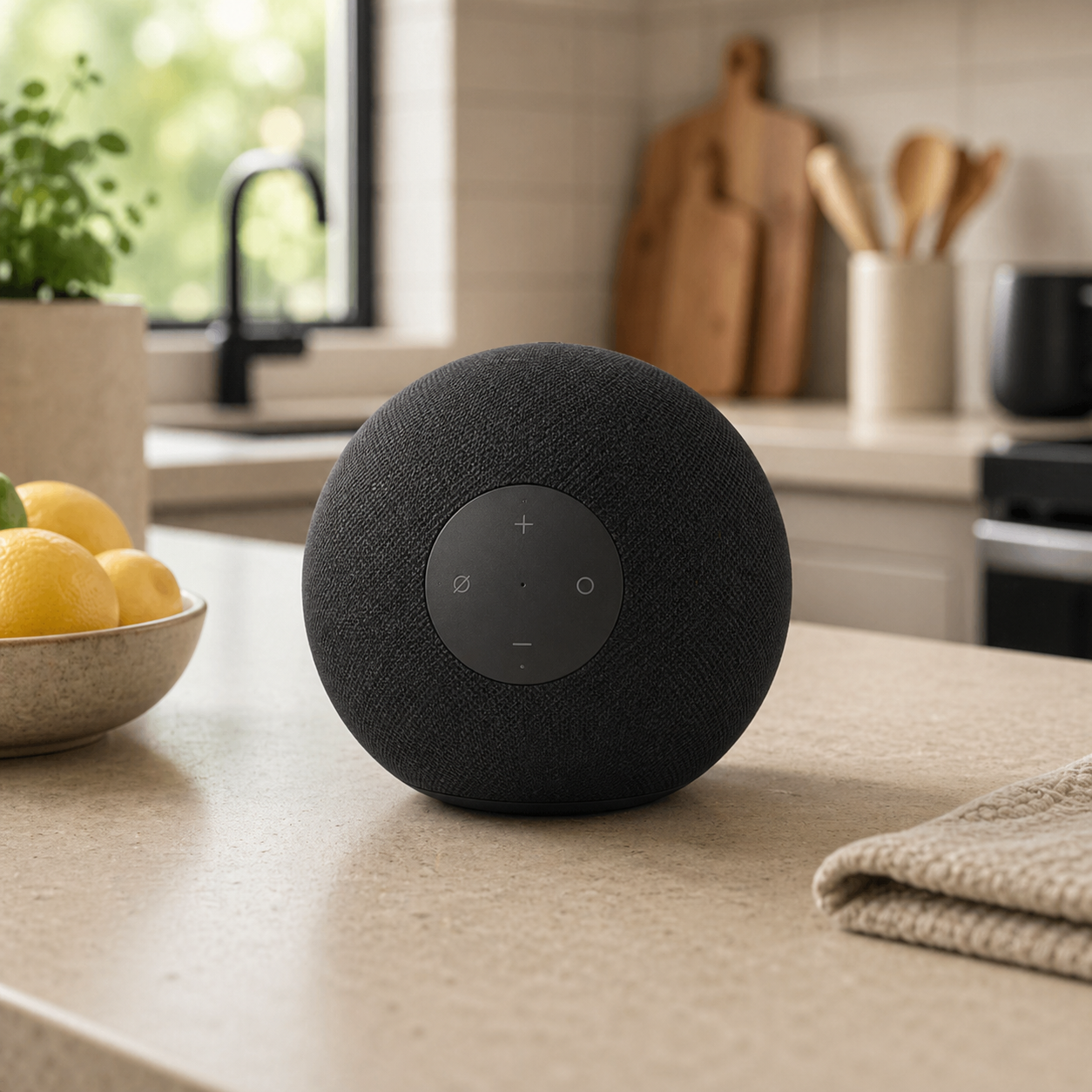
Bottom line
Echo Dot Max is a mid-range smart speaker pick for shoppers who care most about Richer Alexa audio.
Check AmazonReview context
Echo Dot Max is reviewed as a focused ownership decision for richer alexa audio, not as a universal answer for every buyer profile. The goal is to clarify where the product fits cleanly, where trade-offs appear, and what you should verify before checkout.
In smart speakers, strong results usually come from routine fit, setup reliability, and maintenance confidence. This review therefore prioritizes practical ownership signals over headline specifications that may not affect daily satisfaction.
We evaluate this product with an information-first lens: can a buyer explain why this product is the right fit in one clear sentence, and can that explanation survive real-world constraints like budget, setup time, and shared usage?
If your priorities differ from the core use case, use this review as a reference point rather than a final answer. The most reliable buying outcomes happen when product strengths map tightly to your routine.
Performance and ownership trade-offs
Fit to primary use case
Echo Dot Max is most compelling when richer alexa audio is your primary requirement and the product's trade-offs align with your routine. If that requirement is only occasional, alternatives may provide better total value even at similar prices because they reduce complexity in the tasks you perform most often. A strong fit here means the product helps repeatedly in normal weekly usage, not just in occasional peak scenarios.
Setup and onboarding reality
Onboarding quality matters because first-week friction is often the best predictor of long-term satisfaction. Products that are easy to configure correctly tend to remain stable and easier to troubleshoot over time. If setup requires too many assumptions, hidden dependencies, or repeated corrections, perceived value drops quickly even when core hardware quality is strong.
Ownership cost and maintenance
The mid-range tier should be assessed alongside accessory spend, update cadence, consumables, and practical upkeep. Total ownership clarity is more useful than launch-day discount comparisons alone. A product with a slightly higher initial price can still be the better decision if it reduces maintenance effort, prevents repeat purchases, and remains dependable through routine use.
When to choose an alternative
Choose an alternative when your non-negotiable requirements do not align with this product's core strength, or when ownership complexity exceeds your tolerance. Switching early is often the better outcome than forcing a fit through workarounds. If you need a different strength profile, compare one simpler option and one capability-focused option before making the final call.
Decision checklist
- Confirm exact model and bundle details before checkout so your decision is based on the correct package.
- Check accessory or app requirements against your current setup to avoid hidden cost or compatibility friction.
- Verify return policy and warranty expectations in case your real-world use differs from initial assumptions.
- Re-check current pricing and delivery conditions right before purchase because listings can change quickly.
- Compare one alternative from the same category to ensure this option still wins against your top requirement.
- Write a short final reason for choosing this product; if that reason is vague, revisit the comparison page first.
Alternative path
- Compare one same-niche alternative and one cross-budget alternative before making a final call.
- If your priorities changed during research, return to the niche hub to re-anchor on use-case fit.
- When uncertain between two close options, choose the one that minimizes weekly friction in your most common scenario.
- If the product still looks right after bundle, setup, and cost checks, that is usually a strong signal to proceed.
Reasons to buy
- Buy it if Richer Alexa audio is your main priority.
- Buy it if the mid-range price tier matches your budget.
- Buy it if you want a straightforward option in smart speakers and displays.
Reasons to skip
- Skip it if a cheaper product already solves the same daily job.
- Skip it if the size, app, subscription, or accessories do not fit your setup.
- Skip it if a comparison page points to a better match for your use case.
What to check before buying
- Check current Amazon pricing because deals move quickly
- Confirm the exact model and bundle before checkout
- Review warranty, subscription, or accessory requirements